Legal & Origins
Is It Legal to Grow Kratom in the US? Federal and State Rules (2026)
Editorial Team Last updated
This page contains affiliate links. If you buy through them, the site may earn a commission at no extra cost to you.
Quick Answer
Kratom is not a federally controlled substance in the United States, so growing a kratom tree is legal in most of the country. However, as of October 1, 2026, six states ban kratom: Alabama, Arkansas, Indiana, Tennessee, Vermont and Wisconsin. Tennessee's ban took effect July 1, 2026, and Rhode Island moved from a ban to licensed, regulated sales on April 1, 2026. Some cities and counties also have local rules. This is general information, not legal advice.
Key Facts
| Federal status | Not federally controlled (DEA “Drug and Chemical of Concern”) |
|---|---|
| FDA position | No FDA-approved kratom products |
| States with bans | Alabama, Arkansas, Indiana, Tennessee, Vermont, Wisconsin |
| Newest ban | Tennessee — effective July 1, 2026 |
| Recent change | Rhode Island — regulated sales from April 1, 2026 |
| Last reviewed | October 1, 2026 (laws change — verify locally) |
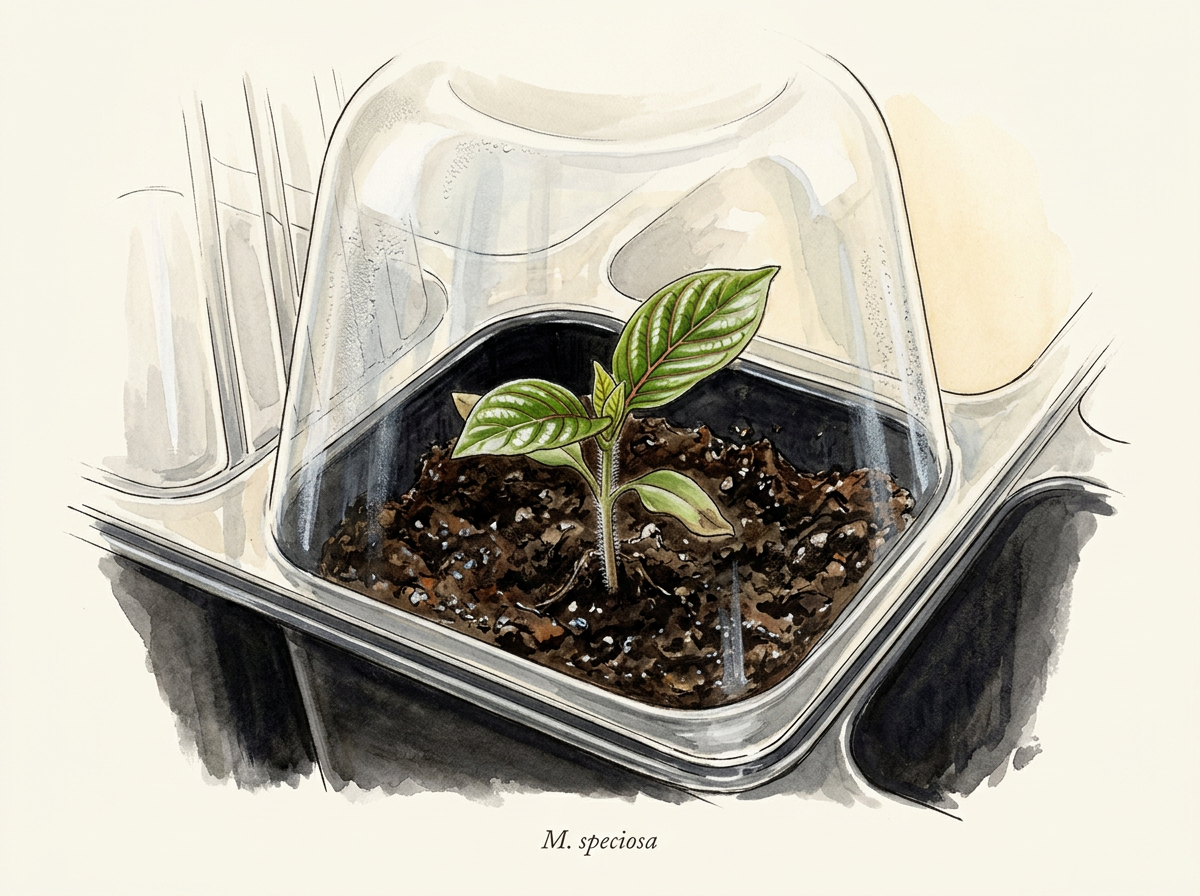
Is it legal to grow kratom in the US (opens in a new tab)? For most people the answer is yes, but it depends on where you live. Kratom (Mitragyna speciosa) is not scheduled under the federal Controlled Substances Act, so there is no nationwide ban on owning or growing the tree. States and some local governments can and do set their own rules, and a handful of states ban kratom outright. This guide summarizes the situation as of October 1, 2026. It is general information, not legal advice, and laws change frequently.
Federal status
At the federal level, kratom is not a controlled substance. The DEA lists it as a “Drug and Chemical of Concern,” a category for substances the agency monitors but has not scheduled. The FDA has not approved any kratom products and has issued public statements and import actions related to kratom products. None of this makes growing a tree a federal crime, but it does mean the federal position could change.
States where kratom is banned (as of October 1, 2026)
- Alabama
- Arkansas
- Indiana
- Tennessee (ban effective July 1, 2026)
- Vermont
- Wisconsin
In these states, laws generally target the alkaloids found in kratom (such as mitragynine) or the plant itself. Because a living kratom tree contains those compounds, growing one in a state with a ban may be illegal. Anyone living in these states should not acquire kratom plants, cuttings or seeds without first confirming the law with a qualified attorney.
Recent changes worth knowing
Tennessee: new ban from July 1, 2026
Tennessee previously allowed regulated kratom sales to adults. New state legislation made kratom illegal in Tennessee, with the ban taking effect on July 1, 2026. Local officials, including the Metro Nashville Beer Permit Board, publicly reminded businesses of the change.
Rhode Island: from ban to regulation on April 1, 2026
Rhode Island was long listed among states that banned kratom. Under the Rhode Island Kratom Act, the state moved to a licensed, regulated model, and the Rhode Island Department of Health began licensing on April 1, 2026. Older lists that show Rhode Island as a ban state are out of date. Because the new rules focus on sales and licensing, Rhode Island residents should review the Department of Health's guidance for any limits that might apply.
States with regulation instead of bans
Several states have adopted versions of a Kratom Consumer Protection Act. These laws typically allow kratom but set rules for sale, such as minimum age requirements, labeling standards and limits on adulterated products. They usually focus on retail products rather than on people growing a tree at home, but each state's law is different.
Local bans: cities and counties
Even in states where kratom is legal, some cities and counties have passed their own restrictions. A grower should check city and county ordinances as well as state law. Local rules are easy to miss and can change after a single council vote.
Up-to-date state-by-state details
For a state-by-state breakdown that is updated as laws change, Sacred Plant Life maintains a guide to whether kratom is legal by state in 2026 (opens in a new tab). It is a useful second reference, but neither site is a substitute for checking official state sources.
Practical checklist before growing kratom
- Confirm your state is not one of the six with a ban.
- Check your city and county ordinances.
- Check any homeowners' association or lease rules that might restrict unusual plants.
- Buy plants or cuttings from a nursery that ships legally to your state; reputable sellers refuse orders to ban states. See buying kratom plants and seeds.
- Recheck the law periodically, since states can change status within a single legislative session.
Is it legal to ship kratom plants across state lines?
Because kratom is not federally controlled, shipping plants between states where it is legal is generally permitted, but sellers should not ship into states that ban it. Some nurseries also restrict shipments to particular counties or cities. Agricultural rules on moving live plants (such as pest inspections) can apply too, especially for Hawaii, which has strict plant import rules.
Growing kratom legally: what comes next
Once a grower is sure kratom is legal where they live, the practical challenges are climate and patience. Most of the US is far too cold for kratom outdoors year-round, so indoor or container growing is the norm. Start with these guides:
- How to grow kratom, the complete step-by-step guide
- Kratom grow zones to see whether outdoor growing is possible
- How to grow kratom indoors for lighting and humidity setups
Not legal advice
This page is for general educational purposes and reflects the Editorial Team's review of public sources as of October 1, 2026. It is not legal advice. Laws and enforcement can change quickly; consult official state resources or an attorney for questions about your situation.
Frequently Asked Questions
Is kratom federally legal in the United States?
Kratom is not scheduled under the federal Controlled Substances Act. The DEA lists it as a Drug and Chemical of Concern, and the FDA has not approved any kratom products.
Which states ban kratom in 2026?
As of October 1, 2026: Alabama, Arkansas, Indiana, Tennessee (from July 1, 2026), Vermont and Wisconsin. Rhode Island moved to a regulated model on April 1, 2026. Laws change, so verify current status.
Can I grow kratom in a state where it is banned?
State bans generally cover the plant's alkaloids or the plant itself, so growing a kratom tree in a ban state may be illegal. Confirm with a qualified attorney before acquiring any plant material.
Sources
- Kratom — Drug Fact Sheet (opens in a new tab) — U.S. Drug Enforcement Administration
- FDA and Kratom (opens in a new tab) — U.S. Food and Drug Administration
- Kratom Licensing (Rhode Island Kratom Act, effective April 1, 2026) (opens in a new tab) — Rhode Island Department of Health
- Metro Beer Permit Board reminds businesses: Tennessee kratom ban effective July 1, 2026 (opens in a new tab) — Metropolitan Government of Nashville and Davidson County
- USDA Plant Hardiness Zone Map (opens in a new tab) — USDA Agricultural Research Service
Written and reviewed by the Editorial Team. See editorial standards.
Related Guides
All guidesBuying Kratom Plants and Seeds: Nurseries, Private Growers and What to Check
Buy a rooted plant or cutting from a nursery that ships legally to your state; seeds are cheap but often fail because they lose viability fast.
Read guideKratom Grow Zone: Where Can You Grow Kratom Outdoors?
USDA zones 10–11 year-round; zone 9 with frost protection; containers everywhere else.
Read guideHow to Grow Kratom: The Complete Seed-to-Tree Guide
Keep it warm, humid and bright, in rich acidic soil that never dries out — and be patient for years.
Read guide