Climate & Location
Kratom Grow Zone: Where Can You Grow Kratom Outdoors?
Editorial Team Last updated
This page contains affiliate links. If you buy through them, the site may earn a commission at no extra cost to you.
Quick Answer
The practical kratom grow zone for year-round outdoor planting is USDA hardiness zones 10–11, where winter lows stay above about 30–40°F. Zone 9 is possible with frost cloth and a sheltered site but risky. In zones 8 and colder, kratom must be grown in containers and moved indoors before nights cool.
Key Facts
| Year-round outdoors | USDA zones 10–11 (and 12–13 in Hawaii/Puerto Rico) |
|---|---|
| Marginal | Zone 9b with frost protection and microclimate |
| Container only | Zones 9a and colder |
| Growth slows | Below about 65°F (18°C) |
| Damage risk | Near 50°F (10°C) and below; frost usually fatal |
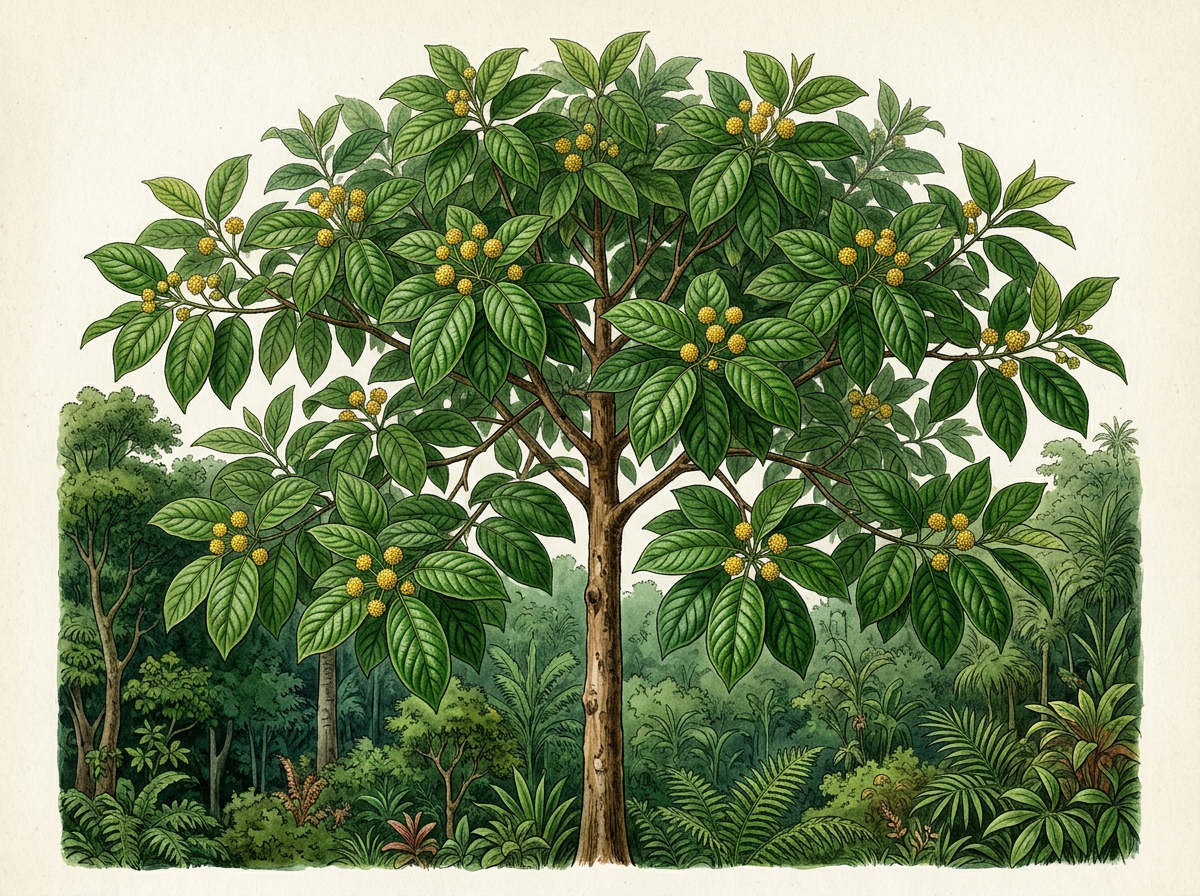
The kratom grow zone (opens in a new tab) question comes down to one fact: Mitragyna speciosa is a frost-tender tropical tree. On the USDA Plant Hardiness Zone Map, which divides the country by average annual extreme minimum winter temperature, kratom can only live outdoors year-round in the warmest zones — roughly 10 and above. Everywhere else, the tree can still be grown, but it needs to spend the cold months indoors.
Understanding USDA hardiness zones
The USDA Plant Hardiness Zone Map assigns each area a zone based on the average coldest winter night over a 30-year period. Each zone represents a 10°F band, split into “a” and “b” halves of 5°F. Zone 10, for example, has average extreme lows between 30 and 40°F; zone 11 between 40 and 50°F. The map is searchable by ZIP code on the USDA website.
Hardiness zones only describe winter cold. Kratom also needs warmth, humidity and moisture during the growing season, which is why two areas in the same zone can perform very differently. The climate guide explains those other factors.
Where can you grow kratom outdoors year-round?
- Hawaii: The best US match for native conditions, especially on wetter windward sides. Lowland areas fall in zones 11–13.
- South Florida: Much of South Florida and the Keys sits in zones 10–11 with high humidity and summer rain.
- Puerto Rico and US territories: Tropical zones well suited to kratom.
- Coastal Southern California: Frost-free pockets in zone 10–11 work, but low humidity and dry winds mean more irrigation and shelter.
- South Texas (Rio Grande Valley): Parts reach zone 10a, though occasional freezes make protection necessary.
Before planting in the ground anywhere, confirm local and state law. Several states prohibit kratom; the legal guide has the details.
Zone 9: possible with protection
Zone 9 gardeners, including much of central Florida, the Gulf Coast and parts of California and Arizona, sometimes keep kratom outdoors with careful siting. Winter lows of 20–30°F will damage or kill an unprotected tree, so success depends on microclimates and backup plans.
- Plant against a south-facing wall that radiates stored heat at night.
- Choose a spot under tree canopy or overhangs, which reduces frost settling on leaves.
- Mulch heavily to protect roots.
- Cover with frost cloth on cold nights, extending to the ground to trap soil heat.
- Keep a container option. Many zone 9 growers keep kratom in large pots on wheels and roll them into a garage or home during cold snaps.
Zones 8 and colder: container growing
For most of the continental US, kratom is a container plant that summers outdoors and winters inside. This approach works well: the tree benefits from summer light and humidity, then lives under a grow light through winter.
- Move outdoors after nights stay above about 60°F (16°C), hardening off gradually over one to two weeks.
- Bring indoors before nights fall below about 55–60°F in autumn.
- Inspect thoroughly for pests before bringing the tree inside.
- Provide strong light and humidity indoors through winter.
The overwintering guide covers the indoor transition in detail, and the indoor growing guide covers the winter setup.
Temperature thresholds that matter
Hardiness zones describe extremes, but kratom responds to everyday temperatures too. Based on common grower experience:
- 75–90°F (24–32°C): active, vigorous growth when humidity is adequate.
- 65–75°F (18–24°C): steady but slower growth.
- 55–65°F (13–18°C): growth slows noticeably; leaves may yellow.
- Below 50°F (10°C): risk of cold damage and leaf drop.
- 32°F (0°C) and below: frost damage; often fatal for young trees.
Microclimates inside your zone
Gardens contain warmer and cooler spots. Low areas collect cold air, while elevated, wind-protected sites near buildings or paved surfaces stay warmer. Urban areas also run warmer than rural surroundings. A simple min/max thermometer placed where you plan to grow will reveal how cold a specific spot actually gets.
Greenhouses extend the zone
A heated greenhouse or sunroom effectively creates a tropical zone anywhere. Greenhouses also hold humidity well, and a 2022 University of Florida study found kratom grew substantially larger in greenhouse conditions than in open field sun. Even an unheated greenhouse can extend the outdoor season in zone 8–9 by several weeks on each end.
The takeaway
If you live in zones 10–11, kratom can become a permanent landscape tree where legal. In zone 9, it is a calculated risk. Everywhere colder, it is a rewarding container plant that follows the seasons indoors and out. For the full care plan, see the complete grow guide.
Frequently Asked Questions
What USDA zone does kratom grow in?
Kratom can live outdoors year-round in USDA zones 10–11 and warmer. Zone 9 is marginal and needs frost protection; colder zones require container growing with indoor winters.
Can kratom survive a frost?
A light, brief frost may damage leaves on an established tree, but frost is often fatal for young plants. Cover or move trees whenever frost is forecast.
Can I grow kratom outside in summer in a cold zone?
Yes. Container trees benefit from summers outdoors once nights stay above about 60°F. Harden them off gradually and bring them inside before autumn nights cool.
Sources
- USDA Plant Hardiness Zone Map (opens in a new tab) — USDA Agricultural Research Service
- Mitragyna speciosa Korth. — Plants of the World Online (opens in a new tab) — Royal Botanic Gardens, Kew
- Plant growth and phytoactive alkaloid synthesis in kratom [Mitragyna speciosa (Korth.)] in response to varying radiance — Zhang et al., PLoS ONE 17(4): e0259326 (2022) (opens in a new tab) — PLoS ONE
- Common grower experience (not a formal study) — Practices widely reported by hobby and nursery growers; treat as practical guidance rather than research findings
Written and reviewed by the Editorial Team. See editorial standards.
Related Guides
All guidesWhat Climate Does Kratom Grow In? Temperature, Rain and Humidity
A hot, humid, rainy tropical climate with no frost and little seasonal temperature change.
Read guideOverwintering Kratom: Keeping a Tropical Tree Alive Through Cold Months
Move container trees indoors before nights fall near 50°F (10°C), then keep them warm, humid and under grow lights, watering less until spring.
Read guideHow to Grow Kratom Indoors: Light, Humidity and Space Setup
Yes — with a full-spectrum LED, a humidifier, steady 70–85°F warmth and gentle airflow.
Read guide